Recent assessments underscore significant strides in clean energy technology adoption, including a tenfold surge in electric vehicle sales and a substantial rise in renewable electricity capacity, constituting 30% of global electricity generation. However, despite advancements, the transition to clean energy varies by region and sector, necessitating stronger global cooperation to extend progress to emerging economies.
Certain sectors, like electricity generation and passenger cars, witness faster adoption due to cost reductions and mature technologies. Conversely, sectors like heavy industry and long-distance transport require swift innovation to introduce low-emission technologies. The update evaluates over 50 components, tracking progress toward achieving net-zero emissions by 2050 and presenting an interactive Clean Energy Technology Guide showcasing 500 innovative technologies across the global energy system.
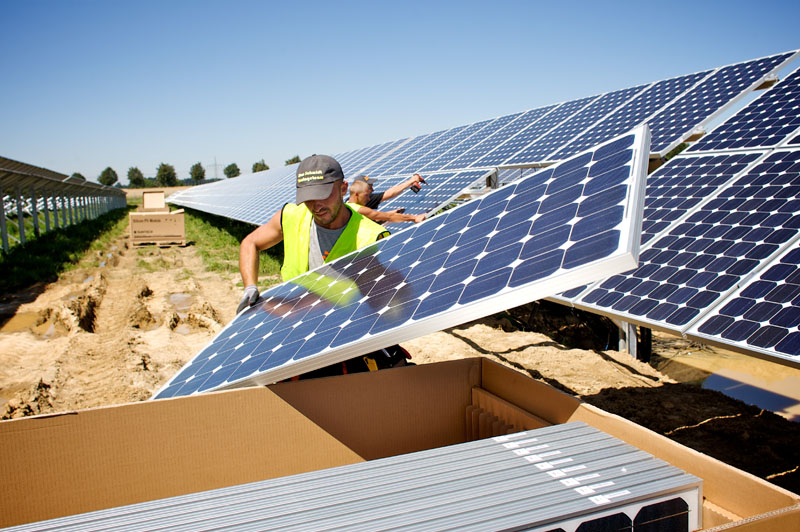
Though key technologies, such as electric vehicles and solar PV, have shown promising growth aligning with net-zero goals, several sectors remain off-track. Encouragingly, electric vehicle battery manufacturing capacity has reached levels to meet projected 2030 demands. Solar PV notably exceeded previous generation records and is projected to double its manufacturing capacity in the next five years, outpacing projected 2030 demand.
Progress in the buildings sector, bolstered by stringent energy codes and renewable technology adoption, has shifted its rating from “not on track” to “more efforts needed.” Additionally, global energy efficiency policies have been reinforced, with India enacting new policies for various sectors.
Policy strides include Indonesia’s carbon capture framework and Namibia’s hydrogen strategy, marking advancements in Southeast Asia and Africa. Breakthroughs in technologies like sodium-ion batteries, solid oxide electrolysers for low-emission hydrogen, and innovations in challenging industries like aluminium refining and cement production signify notable advancements.
Despite progress across evaluated energy system components, the majority are yet to align with net-zero emissions by 2050. Addressing this gap requires amplified policy support and increased investment globally across various technologies to facilitate a swift transition toward clean energy and uphold the possibility of achieving net-zero emissions by 2050.